 Mike Redwood
September 16, 2024
The wellbeing that comes with leather
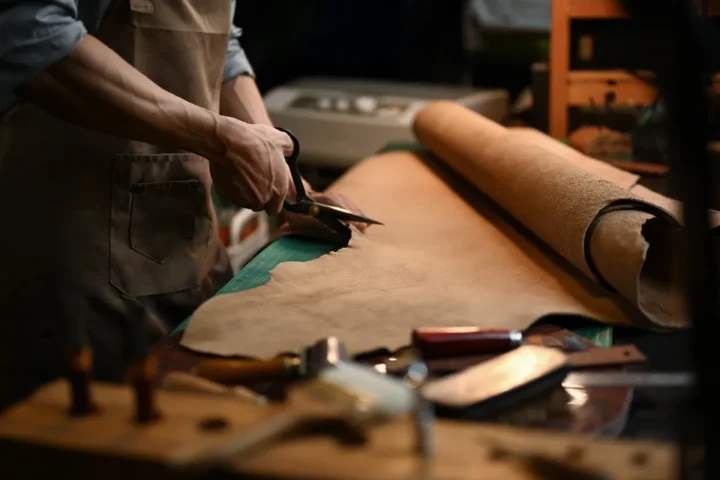
After the recent ACLE fair in Shanghai, the industry should arrive this week in Milan for Lineapelle, hopefully in an optimistic mood. While there is some overlap, the clients are different so there will be a lot to learn in a few days. Allow me to add a suggestion.
After decades of denial about the need to have a proper narrative to promote leather, the industry has become determined to build on the sustainability story in the past decade. Many individuals opening new social media accounts appear to have discovered this story afresh and forget the steady, hard-working effort put in to building the story on supportable facts.
Facts that themselves only exist because so many leading tanners changed their approach in the 1990s and invested heavily in all aspects of waste and process management, not just to be compliant with all regulations, but leaders in sustainable working whether defined by Brundtland, CSR or ESG.
This approach is both defensive and promotable; all the more so since most competing materials are fossil-fuel based polymers, which we colloquially term plastics. Now we know more about plastics like these, it is clear we need more, not less leather – whatever Stella McCartney and PETA may argue. In fact, by thoughtlessly promoting plastics, McCartney and PETA have done considerable harm to nature and climate in this century.
A biophilic solution for modern urban living
Is it now not time for leather to add a new dimension to these discussions? Add truth about natural materials and the wellbeing they offer. The wonder of their feel, their smell, their appearance and the wellbeing that comes with it. How leather is an essential part of the biophilic solution for modern urban living.
There is no better place in the world than Italy to remind ourselves of the amazing aesthetics of leather. The joy of holding and looking at a well-crafted leather, a memory of the happiness it brings and the contrast with the ugliness of most alternatives, which so quickly become dirty and disfigured.
To celebrate their centenary in 1958, the Milwaukee tannery Albert Trostel & Sons commissioned the well-known artist Franklin Boggs to paint a series of pictures about their tannery. They were futuristic and dramatic and nine of the set “Art in Tanning” were shown at the 1958 World Fair in Brussels. Many prints were hanging in the corridors of tanneries and suppliers in the U.S. for decades after.
Is it not time to return to that mode of thought and for tanners to support artists and poets in residence? Not just to provide promotional material but also to remind us of all that in our work and use of leather there is a beauty and peace of mind in being involved with all that is wonderful about nature. Yes, leather is about science and technology used with precision, but it is also about every hide and skin being unique and allowed to tell its own story. It does this over many years of use in every chair, bag or phone cover.
If we are returning to even a small level of optimism and excitement, let us celebrate our material and promote its humanistic qualities alongside its technical advantages.

Michael Redwood
Leather chemist, writer, and advisor on responsible leather manufacturing and material strategy. This article was originally written for ILM.