 Mike Redwood
August 6, 2024
Museum of Leathercraft Looking for a “fourth boom”
The leather industry is having a tough time. The enemy that has been “found” in biomaterials consumes more leather industry energy than it ought. There are many reasons to fight these incursions where there are legitimate complaints, but is best done by supporting our organisations to get on with it. Not expending all our energy complaining online.
Materials such as leather, that need to move with the times to stay relevant, must look beyond this narrow competitive environment. These include technology, innovation, demographics, fashion, lifestyle and consumer behaviour as new generations advance in a world unrecognisable to their grandparents.
Three moments
To start this thinking let us consider a little bit of history and three moments when the leather industry boomed, based entirely on demand.
The first was Ancient Rome. As Rome built its huge Empire over 2,000 years ago, its armies quickly recognised leather as a strategic material. Footwear, armour and all manner of leather goods, saddlery and equestrian leathers from bridles and reins to the base platform on a chariot. Leather was so important that, as they advanced, they took stocks with them. They then set up local tanneries that made leather to their specifications.
Their leathers and designs were good. A recent Archaeological Leather Group talk by an expert, who builds historic footwear based on their original designs, showed how she copied a pair of boots found in Roman excavations in Northern England and wore them for the three-day walk along Hadrian’s Wall built to separate England from Scotland. The boots performed admirably. Great leathers and good designs supported leather’s use in this period of major industry growth.
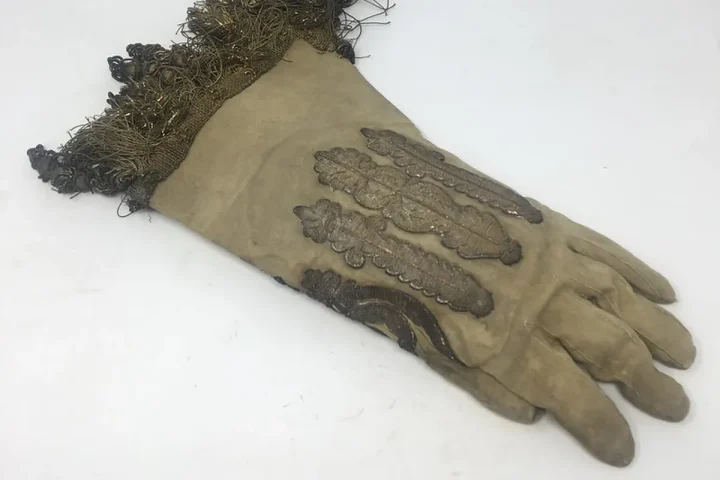
The second big period of successful expansion occurred during the Renaissance in Europe. This started in the south, especially Italy during the 14th century, but did not reach northern Europe until the 16th century. At the start of the 1500s, it became based around the city of Antwerp. It then spread widely during the century as religious wars between Catholics and Protestants circulated around the city. Artisans in leather, tapestry, embroidery, gold and silver work moved to places of safety with their skills and expertise. In some northern countries, industries such as glove making that had collapsed into unprofitability in the late 1400s were back flourishing well before 1600. The driver was an unprecedented demand for luxury goods with leather as a major component.
While the early part of the Renaissance is recorded in terms of paintings and sculpture, more recent studies look into beautifully crafted everyday objects that ordinary people wanted to admire, collect, gift and exchange. In a wonderful paper, Ulinka Rublack concentrates on leather whose “rich sensory and visual appeal underlines the contemporary importance of materials other than pigment and marble”. Most Renaissance leatherwork has not been conserved, but she says the demand for leather developed significantly in this period, as did skills in processing it during the sixteenth century.
She said: “Leather was used in the creation of an astonishing range of products — from stamped cases, bags, book bindings, furniture, cushions, shields and saddles to gilded wallpaper, belts, gloves, doublets, hose, caps and footwear”. Hides became a major element in Atlantic trade. Spanish leather, which had evolved and spread from Muslim advances in Cordoba, was often “a global aggregate rather than a local product”.
We have knowledge of gloves in the UK in the 16th century and Rublack looks at the rich German banker and merchant Hans Fugger of Augsburg (1531-98), noting that 16th century Germany had become an important market for trade in novel consumer goods.
Fugger used shoes in his costume and leather wallpaper in his domestic display to present and experience the properties of leather. In the UK, hardly a year passed without the Queen requesting exquisite gloves in her Christmas and New Year gift lists. The Queen had thousands of pairs, with glove keepers at most of her Palaces, enjoying demonstratively removing and replacing the glove from her hand many times during a meeting.
The final growth period was during the Industrial Revolution. This began in the late 1700s and a key milestone might be considered the start of official mail coaches in the UK in 1784, at the time tanneries around Manchester were expanding to make newly designed roller leathers for the new textile machines.
This was the first of many new leathers needed including industrial belting leathers, leathers for hosepipes, protective clogs, gloves and aprons, oil seals and a myriad of uses. Many small rural tanneries grew to multi-storey water-driven units located closer to industry as the 19th century went on. Clayton’s was started in 1840 in the UK specifically to produce strap leathers to open and close the windows on railway carriages – a requirement that continued into the 1960s.
Fourth boom period
We now need a fourth boom. What can be done with creativity in product and positioning to accelerate it? While some aspects of these three were external, hides and skins targeted early in processing to the correct end use, avoiding waste or rejection. For the Industrial Revolution, it was performance that mattered while, for the Renaissance, beauty and elegance were essential. In Roman times, both were important. We should never forget the way in which the Renaissance brought material thinking to fore, working gold, silver, silks, velvets, brocades and others like leather. We are beginning to recognise leather was equally important and even more enduring. There is a lesson here.
Leather can now be widely replaced by alternate materials, but its longevity and sustainability mean that tanners can look at every corner where replacements exist to seek out their failings. These are many and should targeted with perfectly fitting leather products and highly focussed marketing.

Michael Redwood
Leather chemist, writer, and advisor on responsible leather manufacturing and material strategy. This article was originally written for ILM.