 Mike Redwood
April 23, 2025
Leather is not always leather
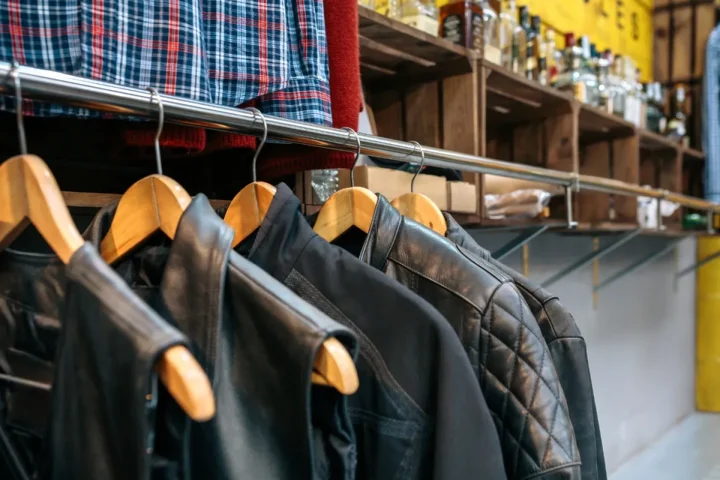
We would do well to give more acknowledgment to those who work on repairing and restoring items made of leather. They carry out a vital task in extending the working lives of articles and are often the first moment the consumer realises leather is not always leather; when a customer who thought “bonded” or “synthetic” leather was genuine discovers that their expensive purchase cannot be repaired.
One new battleground is the growing consumer interest in artisanal and upcycled leather goods. Artisanal leather goods reflect handcrafting traditions of many millennia while upcycled leather is a about finding solutions for environmental waste. Put together, you could say we have a fusion of innovation and history, and hopefully some ethics, entering current Gen Z fashion.
One of the most significant sub-brands hitting this sweet spot is the Coachtopia bag range and I wonder if the term “artisanal and upcycled” might even be from some Coach publicity I have missed. Essential to this range, but not the sole components, are updated versions of what we used to know as E-Leather. Originally created out of tannery shavings mixed with synthetic fibres, there were loud complaints that using the name “leather” was an abuse. It’s claims on durability were thought so exaggerated that it was giving leather a bad reputation. It was no more than a slightly improved bonded leather.
As a consequence, E-leather rebranded as Gen Phoenix, securing an US$18 million investment from Dr Martens, Tapestry and the venture capital arm of Jaguar Land Rover (InMotion Ventures). Each hoped for individual variants on new Gen Phoenix materials for footwear, bags and automobile interiors. The presentations on this new work involved more reassurance than technical detail, albeit the wider leather industry was generally positive.
Hybrid materials
Recent years have raised the profile of hybrid materials such as these, which can help tanneries make beneficial use of shavings and trimmings. Hydroentangling is a clever process. Jets of high-pressure water physically entangle the fibres and bond them into a durable web without needing heavy chemical binders. This is a world away from the high volume of fully synthetic materials that have turned the fashion world into a wasteland of overconsumption and “Insta” waste. And these new materials are the work horses at the base of new ideas in design.
Coachtopia is interesting because it is a material philosophy. There is a whole suite of recycled and waste reduction materials involved including trimmings and offcuts, leather from regenerative farming sources, recycled textiles and biopolymers all intended to create a circular ecosystem. Coach says it is trying to create products designed for second lives, disassembly, and recycling. It is a designer-led response to material waste, structured within Coach’s heritage of leather luxury.
Over the past decade, we have seen an imperfect rise of so-called biomaterials challenging the performance and aesthetics of leather while claiming to be “fully sustainable.” Many have fallen by the wayside as they fell short of the promises, often by a long way. Immense sums have been spent on development and promotion. The outcome of their failure has pulled more pure synthetics into the competition with leather for market share.
In the 1970s and 1980s Italian tanners worked closely with Japanese synthetic producers to enhance the performance and tactile appeal of microfibres such as ultrasuedes. In his book Faux Real Robert Kanigel explains this collaboration with tanners helped technically but also strategically, ensuring the novel items complimented leather while staying clear of high-end markets. This was of course decades before we understood the potential dangers of plastics: or that so many leathers would dive towards the commodity level.
With no price weighting attached to their fossil fuel origins these synthetics are ridiculously cheap. Gen Phoenix materials are priced competitively but most new bio products are costly compared with leather, another reason for failure. A few plant-based items are still produced and work in niche areas, often with specific automobile companies. My view is that mycelium is too clever and costly to be suited for this market and Bolt Threads stopped its development last year. Mycelium development continues with one company and number of small players, but it feels like a niche product.
Leather marketing needs a total rethink
In this changed landscape, adding climate and geopolitics, leather marketing needs a rethink. What will happen to the leather industry? How can it look to future survival and growth? It makes sense to follow the Italians 50 years ago and collaborate with the best potential partners where overlapping technologies and markets exist, and products can be complimentary and marketed transparently.
In my view, the two current best options remain Piñatex and Innovera. For a while, Piñatex looked like an affordable plant-fibre item and it entered many capsule collections; but it still falls short in durability and biodegradability. Cellulose technologies suggest both can be achieved but a step change in the base matrix will be required. If achieved, this pineapple-based product offers a realistic partner for some tanneries and comes with the bonus of the B Corporation status and track record of creating income for subsistence farmers.
The current standout is clearly Modern Meadow. Its Innovera material leads in performance and is genuinely scalable, with a comparable price to premium leather and a more sustainable footprint than other biomaterial offers and all synthetics. It involves a proprietary blend of plant-derived proteins and biopolymers and is particularly strong and light. It seamlessly integrates into existing tannery processes, while other biomaterials only seek help with finishing. Innovera offers tanners a new canvas to work with from the tanning drums on.
While PETA opposes Coachtopia’s use of recycled leather, and Internet personality Tanner Leatherstein was critical of the brand for misleading consumers when he found that its outer layer was plastic made to look like leather, we must give space to some materials working alongside leather, particularly when they are happy to establish a dialogue with the leather industry and their skills and objectives are good.
In today’s world, collaboration and trust will be key ingredients. I would argue that, before we lose too many hides and skins to gelatine and other non-leather uses, tanners need to start working with new friends and stop being instantly antagonistic to all adjacent technologies.

Michael Redwood
Leather chemist, writer, and advisor on responsible leather manufacturing and material strategy. This article was originally written for ILM.