 Mike Redwood
August 28, 2024
Driving improvements in raw materials
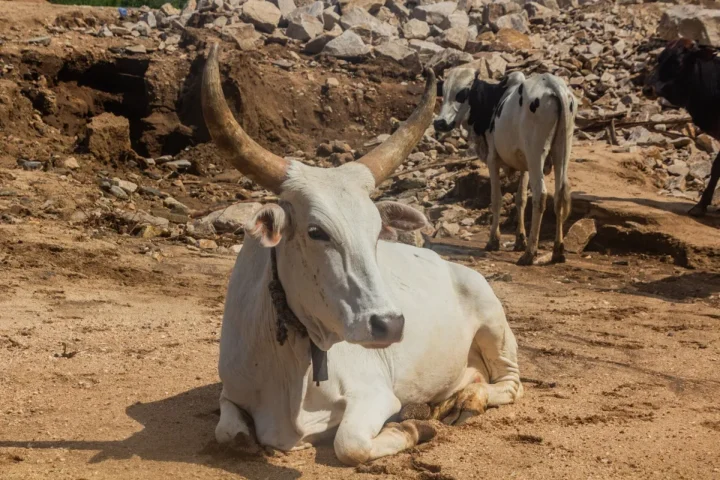
A 2017 study produced in Pakistan on reducing the losses of poor hide and skin quality concluded that best practice increases the productivity of the animals.
It read: “Both the milk and the meat production are increased. It not only increases the production but also the value of the skin and hides of animals, which play a pivotal role in the economy of the leather industry.”
Some 36% of the hides and skins showed damage. These included husbandry issues such as mange and parasites, bruising and scratching in transportation as well as abattoir issues related to butcher cuts and poor preservation. Abattoirs in Pakistan are overcrowded and outdated. Poor raw material quality was “the biggest challenge faced by the tanning industry”.
Over the last decade. every time I have written about deteriorating raw material, there has been considerable push back, usually via social media. It has not been clear why. I am happy to be corrected when I am wrong. Or if the complainant has a high-quality supply, then they have a clear marketing edge and do not need to snipe away at the edges of the discussion.
Some clarity has now been added to the subject by the 2024 ILM survey. Concern over raw material quality has increased from 56% in 2022 to 75% in 2024 and this from a large number of tanneries around the world. This is indeed serious given other concerns currently topping today’s agenda.
Seeing any hide unnecessarily downgraded because of poor husbandry, branding or flay damage is distressing, and from the start tanners are taught that good husbandry and animal welfare gives us the best hides. There is a level of balance here, however. Increasingly, we recognise that the symbiotic relationship of livestock with long term grassland and its benefit to carbon sequestration and biodiversity.
This means that the animals will be naturally more exposed to scratches from thorn bushes and the like than when kept indoors, but the meat and the milk will be more nutritious. Equally, we like to see the hides removed by pulling machinery to minimise flay damage but that tends to leave a lot of fat on the hide, which might be better left on the carcass as it is hung for aging.
The biggest reversal of quality I have observed started in the 1980s with the Ethiopian hairsheep. When I first inspected these, the lower grades occupied some 20% of the total and generally found their way to lining material and small leather goods. Over two decades, we watched this reverse with the proportion of clean skins dropping down from 80% to 30% or less.
Today, anyone looking at the global fashion or dress glove market will see that, apart from a few top French and Italian makers, the leather is universally pigmented. The quality is not there in the skins unless using certain European or other niche supplies. In Ethiopia, the constant fighting and desire to have all villages controlled moved the animals around, taking insect damage into areas previously free from such problems. Everything levelled down. Tests have shown that, with only a little effort in husbandry, more and better meat can be produced as well as better skins. But the education and the will have not been enough to make the difference.
Around the world, with all types of raw stock, we have been hearing the same situation play out and the only ones gaining are those selling pigmented topcoats. The hope is that better communication through work on traceability might engender improvements, but more is needed.
Our national associations need to start looking at establishing proper hide and skin improvement societies. I sit with a 1980 paper from the British one on my desk and read about the successes resulting from the farmers, butchers and tanners, along with the relevant government body ,all agreeing on action.
Even in a small livestock country like the UK, the report argues that their value could be increased by 20% with improvements that should be easy to implement, just as the Pakistan report states nearly 40 years later. It would make a big a difference, and perhaps even start to address how to get hides and skins back out of landfill and into the tannery.

Michael Redwood
Leather chemist, writer, and advisor on responsible leather manufacturing and material strategy. This article was originally written for ILM.