 Mike Redwood
September 16, 2025
Biomaterials and leather in the battle against plastics
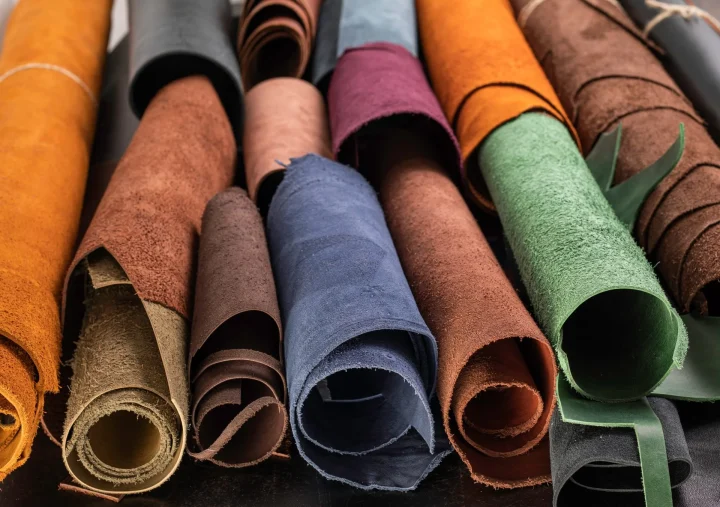
The collapse of Natural Fibre Welding again last week just as Ananas Anam, makers of Piñatex, go through their own closedown leaves only a clutch of significant players in the biomaterials field after a noisy decade of claims and promises that have not been met.
Many products reached trial volumes and some made it to capsule collections but very few reached commercial volumes. They were over ambitious and over-estimated the size of the leather market they planned to replace.
The initial fanfare to establish these materials as a category of highly sustainable “leathers” and to capture the word “leather” as a popular commercial term largely succeeded at first; but now its use has been legally defined in several countries to prevent consumer deception and to protect the integrity of the traditional leather trade.
Leather is a complex and clever material
Trying to win by passing off poor materials as leather might appear a good tactic, but leather is a complex and clever material given the strength and structure of its natural non-woven collagen matrix. This is hard to copy. Then leather has on top a unique grain appearance, that varies with species as well as age and sex. While sometimes the grain leather can create problems for tanners, it is also part of leather’s USP in terms of looks, individuality and its patina. The early materials struggled with both the performance and the physical properties and they never got close to the aesthetic.
These inadequate materials were not helped by the high prices required to cover development costs. An underlying issue was a lack of transparency. Many of the companies were well intentioned but secretive about their processing – supposedly while they were filing patents – but when the materials were analysed, particularly by the German research organisation FILK, it was realised that they had added large amounts of polyurethane to reach minimum specifications for use as a substitute for leather.
Opaque approach
Given that most of the products were plant-based and built on well understood cellulosic technologies where trade secrets count more than patents, this opaque approach looked like dishonesty and we were left with materials that had limited durability, could not be repaired when made into articles and those articles would neither biodegrade nor get recycled. Apart from being “vegan”, there were only negatives.
The vegan and animal rights market remains rich and noisy but has been eclipsed by concern over highly processed foods. The immediate health issues arising from an increasingly obese society are costing too much and there has been a push to return to natural ingredients which is putting meat, milk as well as vegetables and fruits back on the table.
No tanner will wish to deny consumers a solution to a moral dilemma; the real market that leather and new materials must target is in fact the lower cost synthetics that are totally manufactured from plastics. They are not only a future threat but already hold the giant share in the market for leather-like materials. Consumer worry about these plastics in clothing and other goods have accelerated in recent years as panic spreads about how hard they are to collect at end-of-life, how difficult they are to recycle even if collected and how long they will remain in landfill.
Yet, the overriding issue of plastics relates to what is becoming apparent about microplastics plus the heinous issue of cheap, disposable, synthetic garments, footwear and bags that are creating a consumer turning point. Evidence suggests that generation Z are ready to support a change. They care deeply about sustainability and climate change and are interested in nutrition and health. They expect employers as well as the brands they buy from to be honest and transparent and will quickly shift loyalty if they come across greenwashing or brands not true to their values.
Leather should partner with honest NewGen Materials
I have returned to this moment as an opportunity for leather a number of times and am happy to repeat it from a different angle. It is also very clear that if leather is to displace plastic, it needs help. This is best supplied by those new biomaterials that have survived and are legitimately aiming to be fully transparent and better than the plastics.
Currently the most outstanding is Innovera, which comes to the tannery as a semi-processed material. It offers physical performance equal or superior to leather but a very different aesthetic. Collaborations have been established with top tanners such as Heller-Leder and ISA TanTec. It allows the tanner to take their expertise into vegan and animal-free markets as well as to those Gen Z consumers who want sustainability but are not yet convinced about natural materials. It gives tanners time to regain their hide and skin balance while getting raw hides and skins out of landfill and back into leather. It also offers future profitable growth and ultimately survival when climate takes its toll of global livestock numbers as climate change accelerates. Something that has already started.
Just as the German leather trade recently fought off the deception of apple material, there are still new fruit items coming from Europe and Turkey, coconut water extractions from India and a multiplicity of others from the U.S. and around the world. Some may be good partners, but they will be the minority and all must be fully monitored.
Support mindful minimalism
We must remember that the materials war is about honesty, integrity and replacing fossil fuel-based “Petro-Fibres”. We must harness the Gen Z enthusiasm for mindful minimalism which is a reaction against a “wear-it-once” culture created by social media and against fast-fashion. This, along with the TikTok trend of “underconsumption core” that encourages owning less, focusing more on necessities and extending the life of items through continued use and mending, fits with the future of the tannery and our commitment to truth, craft, durability and beauty in leather.

Michael Redwood
Leather chemist, writer, and advisor on responsible leather manufacturing and material strategy. This article was originally written for ILM.