 Mike Redwood
March 18, 2025
A positive atmosphere in the tannery
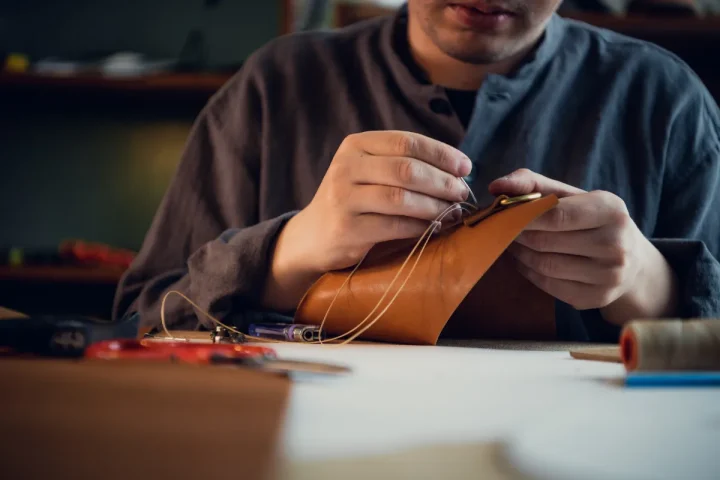
Leather is at a crossroads. If it allows itself to be seen as a commodity, it will lose ground to synthetics. If it reasserts its craftsmanship, it will remain a valued, premium material.
The headline quote is from a recent book – Abroad in Japan – when a factory owner moved his production 1,000 miles north in the belief that, in manufacturing: “When you’re producing something, the positive atmosphere of your surroundings is reflected in the things you create”.
This catalysed a recent exchange I had with a tanner who runs, among others, a large plant in China. Like most countries, China has become obsessed with a type of industrialisation that falsely demotes the essential skills of hand and eye in the name of modernisation.
The context surrounding manufacturing has a particularly rich and nuanced application to an industry such as leathermaking, which blends traditional craftsmanship with tangible, tactile materials. Tanners have had to improve product engineering to meet modern requirements of consistency and workplace safety but must do so without losing the natural characteristics that form the true essence of leather.
Leather on the rise again
Leather is not merely another material, it is unique. That is why it was so important at the eve of society and has remained so through every step of the advancement of civilisation. It suffered greatly with the rise of plastics, which was thought of as a cheap miracle substance. But leather is rising again as the true impact of plastics on climate and on biodiversity has started to be fully understood and be realised by consumers.
Tanners cannot forget that making leather is a deeply sensory experience. The smell, feel and even the sound of the leather are all integral to the process. Creating a calm, clean and organised workspace enhances these sensory experiences, allowing the craftsperson to focus and appreciate the material. This is an approach that our best tanners and others, who got caught in the rush of the industrial revolution, are returning to.
This “positive atmosphere” in a tannery or a leather workshop should usually translate to a greater respect for the natural materials being used. This could involve careful handling, minimising waste and appreciating the unique qualities of each hide. This respect becomes imbued into the final product.
Leathermaking requires an atmosphere that allows for meticulous attention to detail, which is crucial for achieving high-quality leather goods. Imperfections are more easily spotted and managed appropriately with greater precision.
Nor should tanners forget that all through history they have been artisans in the “art and mystery of leather”, as the ancient leather guilds described the business. They established long apprenticeships in the training of “Master Tanners”. While this might imply too much nostalgia, it must be still be remembered that many leather items do indeed involve an emotional investment. Leather goods often carry a sense of history and tradition. A craftsperson who works in a positive and inspiring environment is more likely to infuse their work with a sense of care and dedication. Again, this emotional investment will be felt by the end user.
It is often noted that basic leather technology seems to have been very static and largely missed the industrial revolution. Leather did wait until the last two centuries for chemistry to be understood beyond trial and error and the philosophical approach. Despite that, leather has evolved to serve agriculture, the military, everyday life and the Industrial Revolution from all manner of equine leathers to high specification gas meter leathers and safety harnesses for those working at great heights.
Leather has a unique combination of durability, versatility and aesthetic appeal which supports its ability to evolve and meet contemporary requirements and the route to meeting modern requirements, and certainly to avoiding the worst of ill-defined efficiencies is to think in these terms:
- Timeless appeal and craft
- Durability and sustainability
- Innovation and modernisation
- Customisation and personalisation
- Adapting to contemporary lifestyles
- Cultural significance keeping it relevant across generations.
Tanneries, being capital intensive, with big drums and heavy machinery especially in the early processes are hard to relocate. They become embedded in their community, and it is in part for this reason that as the science of waste management and all matters of sustainability became better understood tanners were among the first to start leading the responsible change with high levels of investment. With it, even large industrial tanneries have evolved into cleaner, better operations with strong, positive relationships with local society. Being a good citizen works.
If you are thinking the solution is to turn leather into a commodity that emulates plastic, think again. The positive atmosphere of your surroundings is indeed reflected in the things you create.

Michael Redwood
Leather chemist, writer, and advisor on responsible leather manufacturing and material strategy. This article was originally written for ILM.